Serving Clifton, Franklin, Hawthorne & Newton, NJ, plus Lodi opening soon
Professional, dependable service with a lifetime warranty on most repairs, at four open New Jersey shops, with Lodi opening soon. Book your appointment with KRP Automotive today.
The appointment that catches everything else
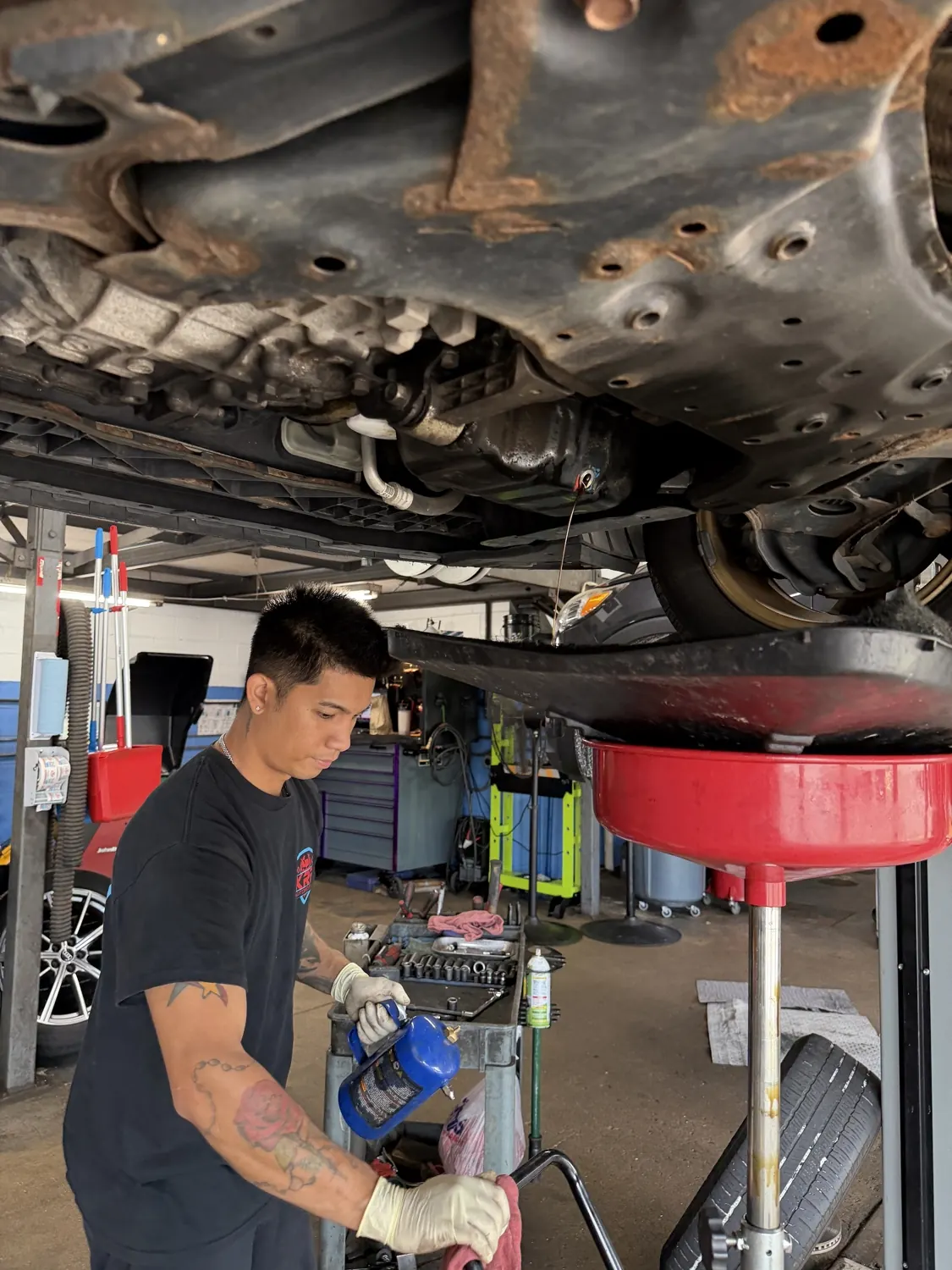
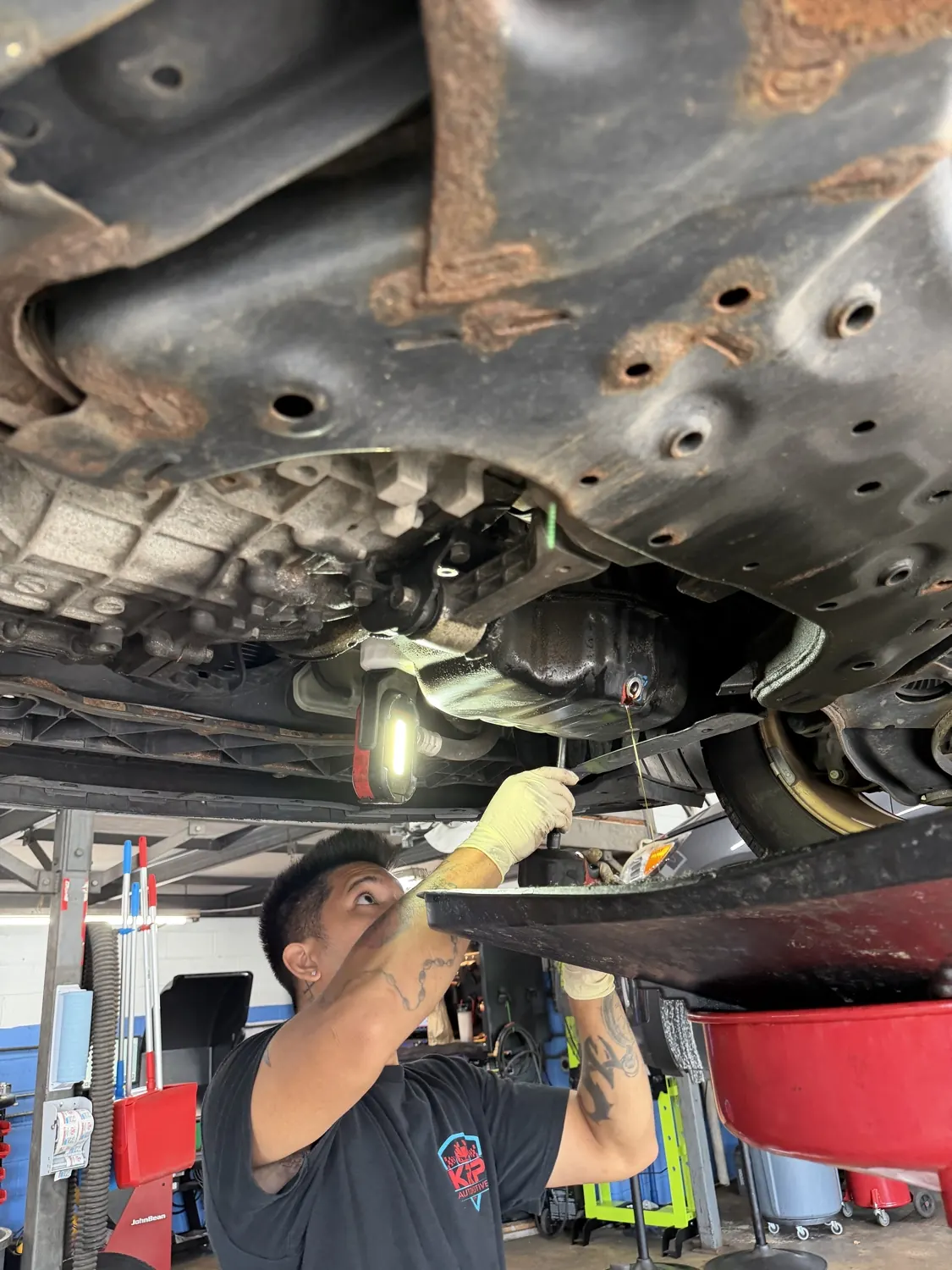
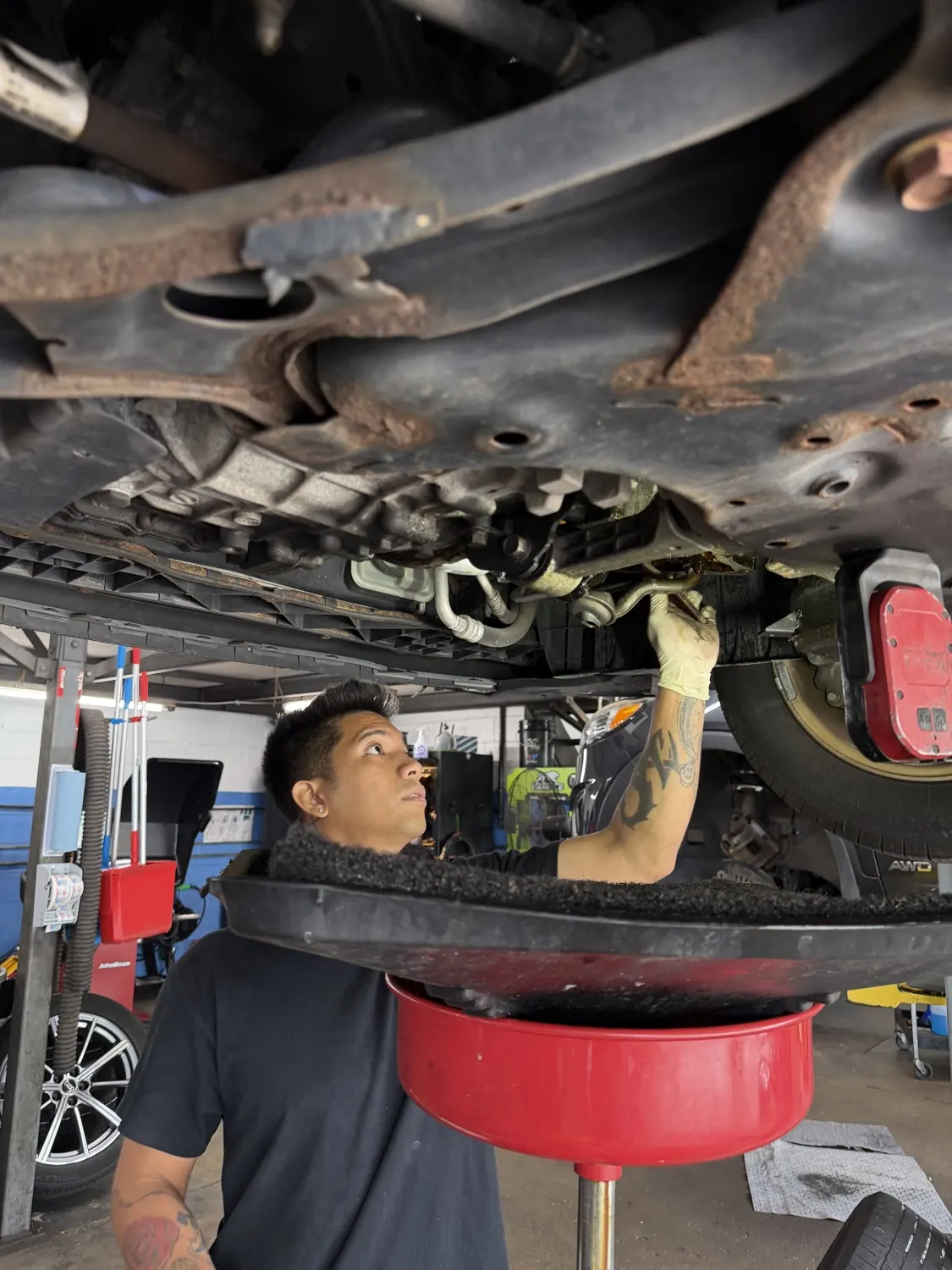
An oil change is the service people buy most often and think about least, which is exactly why it is worth doing properly. It is also the one regular appointment where a technician has your car on a lift with time to look at everything else.
So we use it. Brakes measured, tires measured, belts and hoses checked, fluid conditions noted, and the readings written down so you can watch them move over time rather than being told something is suddenly urgent.
The oil itself is the grade and quantity your manufacturer specifies, with a new filter every time. If your engine calls for full synthetic, that is what goes in; if it does not, we will not sell it to you.
What goes in
Older engines, modest intervals
A middle ground
What most modern engines require
What is included
How often, honestly
What most modern vehicles specify. We follow the manufacturer rather than a shop default, and the monitor in the car is usually right.
Towing, heavy loads, lots of idling or mostly short trips. Heat and fuel dilution both shorten oil life, and short trips do it quietly.
A reasonable interval where the vehicle calls for a blend rather than full synthetic.
The old number, and still correct for the older engines that genuinely use conventional oil. It is not correct for a modern synthetic-filled engine.
Oil degrades on time as well as distance. A car that covers 3,000 miles a year still needs an annual change, because moisture and acids build up regardless.
A turbo bearing runs on oil pressure at high temperature. This is the engine type where a stretched interval shows up as a repair.
What shortens oil life
Short trips are the quiet one. An engine that never fully warms up lets fuel and moisture collect in the oil instead of boiling off, and a car used for a two-mile school run twice a day is harder on oil than one that covers highway miles.
Heat is the obvious one. Towing, hills, heavy loads and long periods of idling all raise oil temperature, and oil ages faster hot than cold.
Time counts even when the car does not move. Oil picks up moisture and becomes mildly acidic as it sits, which is why an annual change matters on a low-mileage vehicle.
Engine design matters too. Turbocharged and direct-injection engines are harder on oil than the engines most interval habits were formed around, and they are far less forgiving of a stretched interval.
What the grade on the bottle means
How the oil flows at cold start, which is when most engine wear happens. A lower first number means it reaches the top of the engine faster on a January morning.
The W stands for winter, not weight. A multigrade oil behaves like a thin oil cold and a thicker one hot, which is the whole point of it.
The thickness at operating temperature. This is the figure the engine's bearing clearances were designed around, so it is not a preference.
Common on recent engines for economy and for the tight tolerances they are built with. Using a thicker oil in one of these is not being kind to it.
The donut on the bottle certifies the oil meets a current specification. We use oil that meets or exceeds what your manufacturer calls for.
Many European makers specify their own approval code rather than a grade alone, and those oils are genuinely different. We match the approval, not just the numbers.
Signs you are overdue
What drivers say
I needed a simple brake service, but I did not expect these guys work in the 21st century environment. They communicated with me via detailed text messages, and kept me involved in all decision-making.
Came here for brake pads and rotors. Got a good price, and they did a good job. They did a road test also.
Great service, they got me in same day for full brakes front and back. Definitely recommend.
Oil change near me
Oil change near me, synthetic oil change and full service oil change all describe this visit at Clifton, Franklin, Hawthorne and Newton.
The other fluids in the car run on their own schedules, and those are covered on our fluid exchange page. Anything the inspection finds is explained and quoted before work starts.
Answers to some of the questions KRP Automotive customers ask most. Still not sure? Give us a call, we’re happy to help.
Most modern vehicles on full synthetic run 7,500 to 10,000 miles, and the oil life monitor in the car is usually right. Towing, short trips and heavy idling shorten that. We follow your manufacturer's figure rather than a shop default.
Only for the small number of engines that genuinely run conventional oil. On a modern synthetic-filled engine, changing at 3,000 miles throws away oil with most of its life remaining.
If your manufacturer specifies it, yes, and most turbocharged and direct-injection engines do. If your vehicle does not call for it, we will not sell it to you.
Oil and a new filter to specification, tire pressures set, fluid levels and conditions checked, and an inspection of brakes, tires, belts, hoses, wipers and lights with the readings written down. Anything found is quoted before any work starts.
Yes. Oil degrades on time as well as mileage, picking up moisture and becoming mildly acidic as it sits. An annual change is the right call on a low-mileage vehicle.
Always, in the correct grade and quantity, with a filter matched to it. We can show you the specification for your vehicle if you want to see it.
It helps, and you can book online or call the shop nearest you. We will tell you honestly how long the wait is rather than guessing.
Most repairs at KRP Automotive are guaranteed for as long as you own your vehicle. If you pay for a repair at our shop, you shouldn’t have to pay for it again, that’s our promise at all four open New Jersey locations.
Fluids, filters and maintenance items are not warranted beyond their recommended service interval. Read the full terms.